Authenticator for Light Phone 3 is a game changer
But a software development kit is an interesting choice
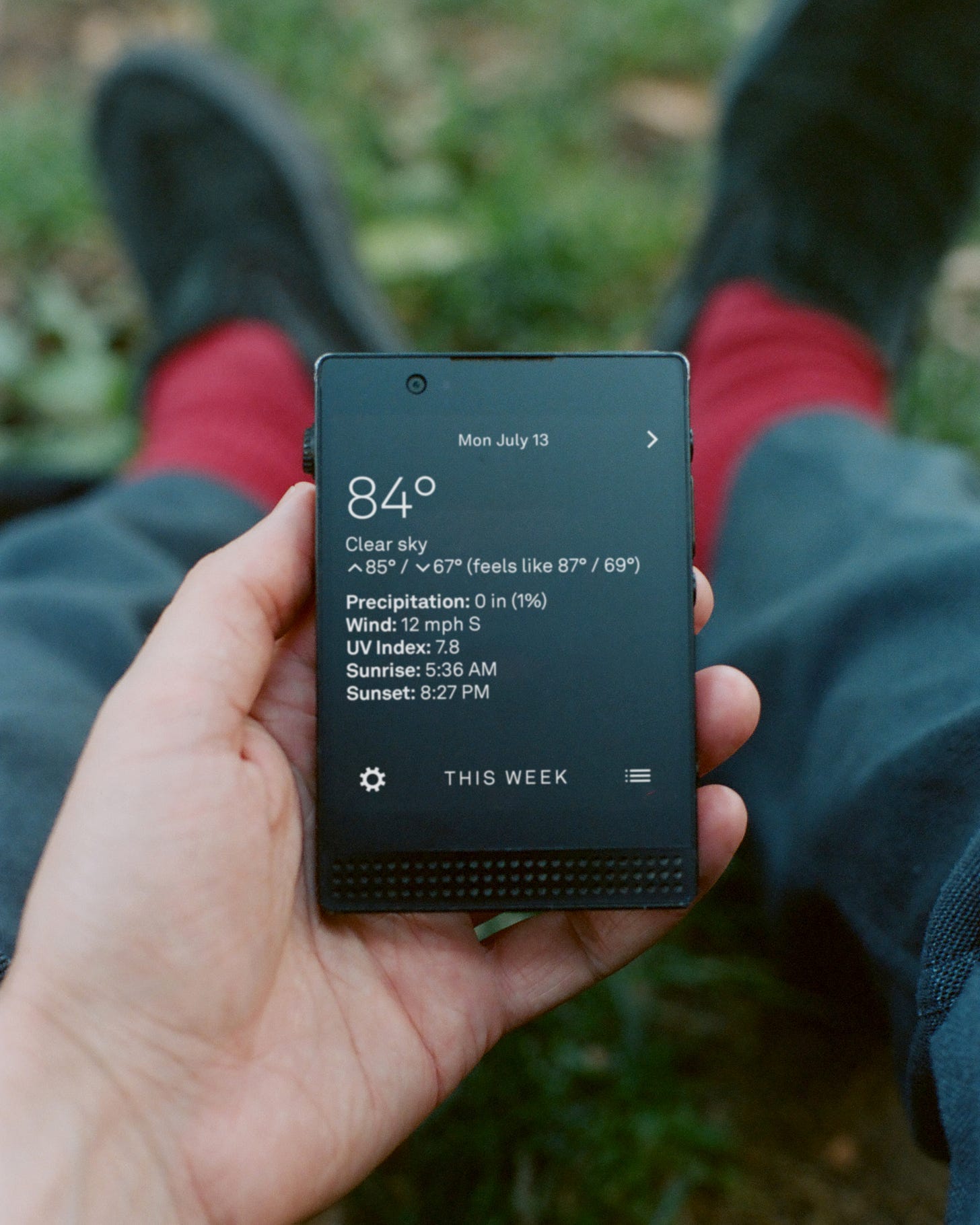
The Light Phone, a phone with just a small number of apps that the company calls ‘tools’, just got a little more practical. And a little more complicated.
Light Phone has introduced two pretty essential new first-party tools via a new software development kit. lightOS is built on top of the Android Open Source Project (AOSP) after all.
Weather & Authenticator (for 2-factor-authentication) will be available to users “if they are interested in adding them” via a web-based dashboard that you can access on a computer.
The introduction of an Authenticator tool means you can finally use the Light Phone to login to your Google account securely, for example, without relying on less secure SMS 2-factor-authentication.
Currently the Light Phone only supports phone calls and SMS, an alarm, a timer, a calculator, a calendar, a directory, directions, notes/voice memo, and “a simple” music or podcast player.
There’s no email, no web browser, no WhatsApp or iMessage or Spotify, or any other app for that matter.
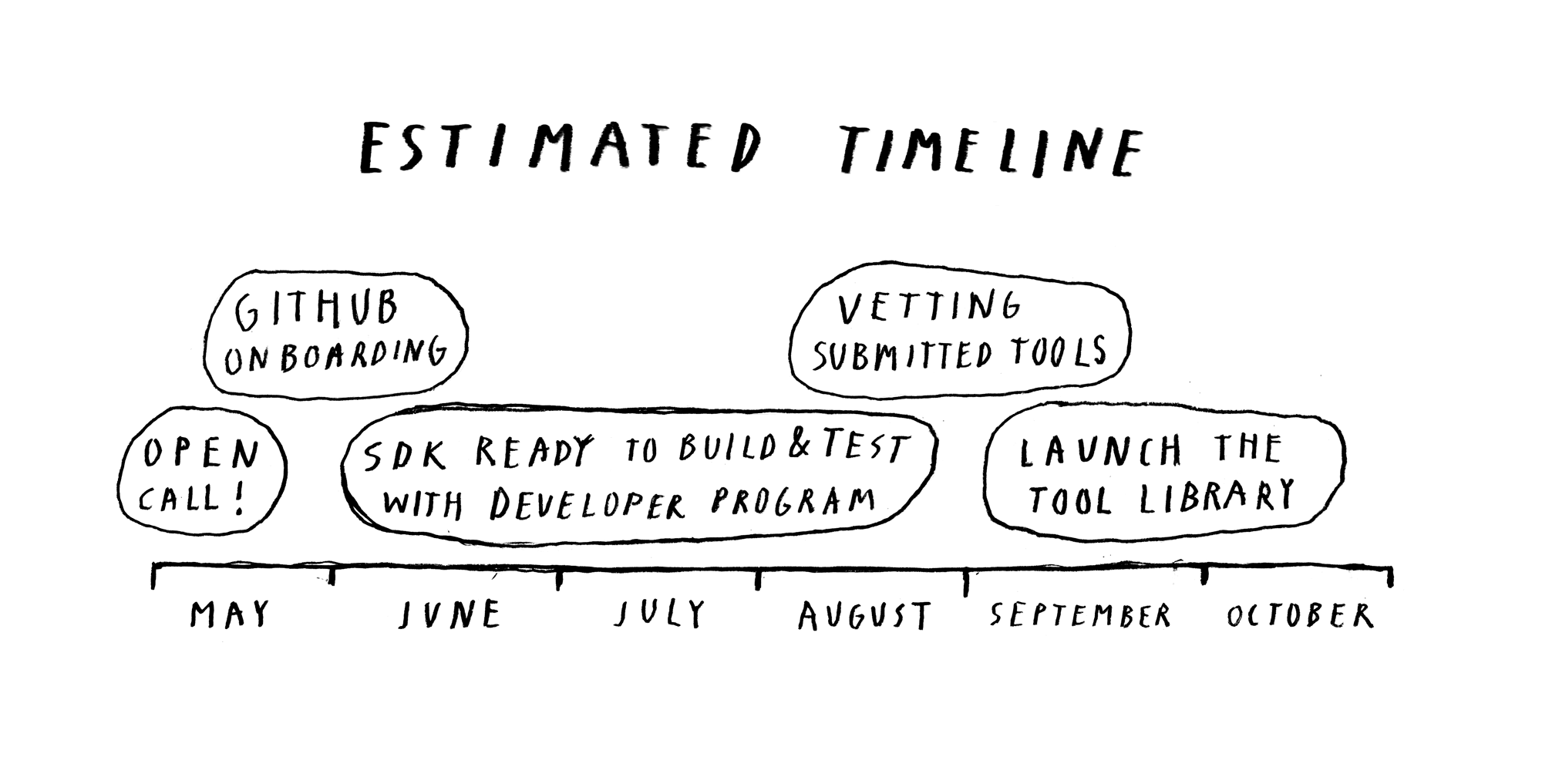
But Light Phone is also introducing a software development kit, which is where this news gets a little interesting.
As the company describes it:
The introduction of the Light Developer Program takes that even further, giving users the ability to create tools for their Light Phones and then providing a new platform – a “tool library” – to share those tools with one another. We’re looking for interested developers and users who want to help test new tools. It’s going to be a great collaboration!
So a dumb phone that might suddenly have an app store of sorts. Interesting!
But it isn’t a totally open, commercial free-for-all. Light Phone claims that
For the majority of our users this means that in addition to our Light tools, you can also browse a collection of vetted, user-created tools. Installation is seamless from the dashboard.
The Tool Library will only include tools that are blessed by Light, vetted and supported by the community and adhering to the Light ethos. Each tool must serve a clear intentional purpose, and of course, respect user-privacy to the fullest extent.
I’ve always found the most challenging concept with the Light Phone 3 being just how central smartphones are to many aspects to life. When I was in Tokyo the other day I needed my phone to pay for public transit. I needed my phone to get my visa share code. And later when I had to go to the airport I needed the Uber.
But there are genuine reasons why smartphones have become an addictive part of everyday life. Instagram didn’t remove the reverse-chronological feed to actually improve the user experience. It introduced it to keep you on the platform for longer and to see more and more ads.
In a similar way, the chances of Spotify introducing an open-source player just for the Light Phone is basically nil. Apps like Instagram and Spotify are designed with additional monetisation in mind, a stickiness that just isn’t possible (or profitable at least) on a Light Phone. Even seemingly well-intended apps like WhatsApp will likely never come to the Light Phone as they are just as much an entry-point into real monetisation as more obvious apps like Instagram.
Either way, the SDK allows developers to build with a unified UI component system (using Android’s Jetpack Compose), implement push notification support, and access media on the device (which could make some kind of streaming service possible). The company says this means apps can access “audio, video, images and other files with encrypted APIs for sending and receiving data with LightOS”.
Interestingly developer mode also allows APK sideloading, but “pre-existing apps that were not built with the provided SDK may not work well (or at all) on the Light Phone III due to the screen size, or lack of GMS certifications, among other technical reasons. The SDK will allow users to ensure their APK will work seamlessly on the Light Phone via LightOS.”
You can read more about it here.